
Key facts: Tree roots in the sewer line
Roots: the short answer
Tree roots in a sewer line: the short answer
Roots enter through aging joints and cracks, fill the pipe and cause backups at the basement floor drain. Cleaning restores flow but roots regrow. Lining or replacing the pipe seals them out.
Root clues
Root clues and responses
| Clue | Likely cause | Response |
|---|---|---|
| Slow drains over months | Roots narrowing the pipe | Clean and film |
| Late-summer backups | Roots seeking water | Clean; plan a fix |
| Repeat clogs after cleaning | Regrowth | Line or replace |
| Big tree near the line | Likely source | Camera inspection |
Tree figure
Checks
Root checks you can make
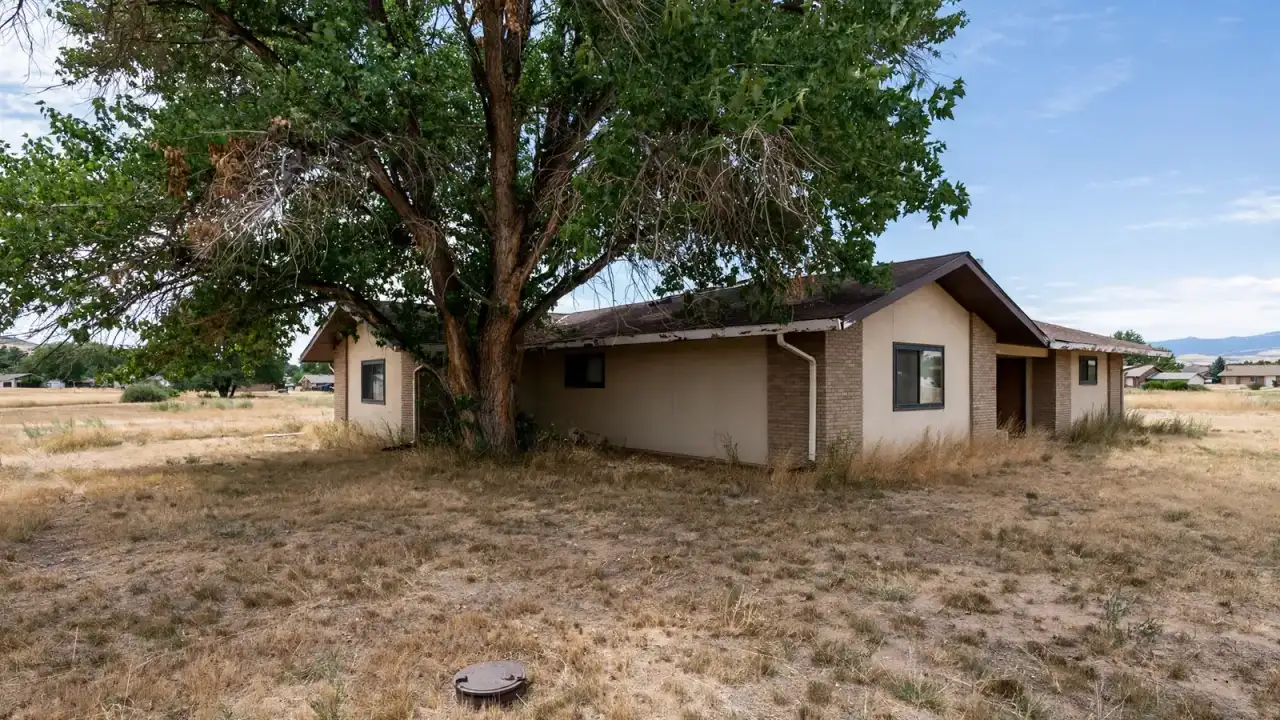
- Note big trees near the sewer route.
- Track how often drains slow.
- Keep the basement cleanout reachable.
How roots enter
How roots get into pipes
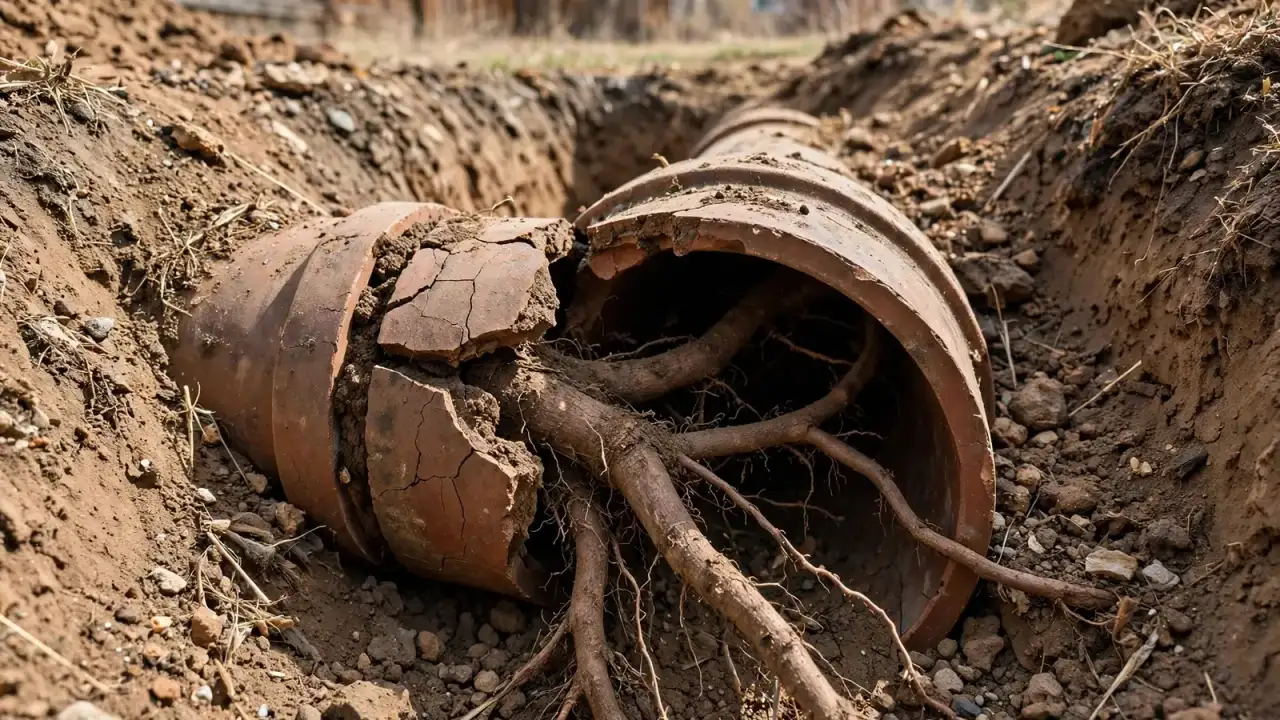
Roots do not punch through sound pipe. They find the small gaps at aging clay joints, hairline cracks in cast iron and loose couplings at old repairs. Water vapor and seepage from those gaps create a moist zone in otherwise dry soil, and fine feeder roots grow toward it. Once inside, they find a steady supply of water and nutrients, branch out and thicken. Over months the pipe fills with a mat of roots that catches paper and solids until the line blocks and the basement floor drain overflows.
Aurora trees
Aurora's trees and their roots
Older Aurora neighborhoods were planted with elms, ash, maples and honey locusts, and Siberian elms have spread on their own along fences and alleys across the Front Range. Near creeks and drainageways, cottonwoods and willows add very vigorous roots. Many of these trees are now decades old with root systems extending well beyond their canopies, easily reaching service lines that run under front and back yards.
Cleaning is temporary
Why cleaning only buys time
A cable machine or water jet removes roots from inside the pipe and restores flow, but it does nothing to the joint or crack the roots used to get in. The stubs left behind, and new roots from the same tree, soon grow back. Depending on the tree and season, regrowth can block the line again within months. Cleaning is a sensible short-term measure while you plan a permanent fix.
How plumbers fix it
How plumbers handle roots
- 1
Cut
Clear roots.
- 2
Film
Check entry points.
- 3
Seal
Line or replace.
Clean or seal
Choosing cleaning or a permanent fix
If the line needs clearing once a year or more, or a backup has already damaged the basement, a permanent fix usually makes more sense than repeated cleaning. Lining suits round pipe where roots enter at joints; it seals every joint at once without trenching through the tree's roots. Replacement suits pipe that is broken, collapsed or sagging. The camera video after cleaning shows which applies.
Roots and the basement drain
How root problems show up in the basement
Root restrictions usually build slowly. The first sign is often a gurgle at the basement floor drain when upstairs fixtures run, or water pooling briefly around it during laundry. As roots fill more of the pipe, the pooling lasts longer, until a full backup. Calling at the first gurgle keeps the fix simple.
Roots on camera
What roots look like on video
On a camera inspection, fine roots look like hair or cobwebs hanging at joints. Mature intrusions look like dense mats filling the pipe or thick roots pushing through cracks. The footage counter shows where each sits, which tells the plumber where repairs are needed and which tree is likely responsible.
Keeping the trees
Keeping both the trees and a working sewer
Most Aurora owners want to keep their mature trees, which provide shade in hot, dry summers. A sealed pipe lets them. Lining or replacing the line removes the joints and cracks roots use, and the tree's roots stay outside the pipe. New trees should be planted well away from the sewer path.
Late-summer timing
Why roots peak in late summer
Front Range summers are often hot and dry. Trees push roots toward any reliable moisture, and sewer leaks qualify. Many root backups happen from July into September. Cleaning in late spring or lining before summer prevents the most common backup season.
Roots in shared lines
Roots in townhome lines
In townhome communities, several units may share one line before it reaches the main. Roots there affect every unit. Associations usually handle cleaning and repairs on shared sections; check your documents.
Root control between cleanings
Root treatments between cleanings
Some owners use root control products between professional cleanings. They can slow regrowth but do not seal openings. Follow label directions and never mix products. A plumber can advise whether they make sense for your line.
Roots near the main
Roots from parkway trees
Trees in the parkway between sidewalk and street can send roots toward the connection at the main. If the camera shows roots at or beyond the connection, the city may need to be involved for the public side.
When roots damage the pipe
When roots have cracked the pipe
Over years, roots widen joints and cracks. A line that could once be lined may become too damaged and need replacement. Acting earlier keeps the simpler options open.
Roots and home sales
Roots found during a home sale
Pre-sale camera inspections in older Aurora homes often show roots. Sellers can clean and document, line or disclose; buyers can plan. A clear video helps both sides.
Irrigation leaks and roots
Sprinklers that draw roots
Leaking irrigation lines near the sewer path keep soil moist and invite roots. Fixing them reduces the pull on roots, though sealing the pipe is still the real fix.
Calling early about roots
Why calling at the first gurgle helps
Calling when the floor drain first gurgles usually means a straightforward cleaning. Waiting for a backup adds basement cleanup.
Prevention
Preventing roots
- Plant away from the sewer path.
- Seal the pipe.
Tell the plumber
What to tell the plumber about roots
- Tree locations.
- Frequency of slow drains.
Roots guide questions
Questions about roots in Aurora sewer lines
Must I remove my tree?
Usually not. Sealing the pipe keeps roots out.
Why do roots come back?
The openings remain after cleaning.
When are roots worst?
Often late summer, in dry weather.
Do newer PVC lines get roots?
Less often, but loose joints can let them in.
Can I cut roots myself with a rental auger?
Rental augers rarely clear a main line root mass and can get stuck. A plumber's equipment and camera are safer.
Can roots come from the city's parkway trees?
Yes. If roots enter at or beyond the connection, the public side may need city attention.
Is lining the best fix for roots?
Often, for round pipe with roots at joints. Broken or sagging pipe may need replacement.
How often should a root-prone line be cleaned?
It varies. If cleaning is needed yearly or more, consider a permanent fix.
Which trees cause trouble?
Elms, ash, maples and cottonwoods are common culprits.