Key facts: Heather Ridge
- Aurora makes owners responsible for service lines to the main; in multi-unit communities, governing documents allocate shared responsibilities [1].
- Shared lines carry more flow and can back up several units at once [2].
- Mature trees in landscaped communities can send roots into older lines [3].
- Colorado requires 811 locates before excavation [4].
Heather Ridge coverage
Heather Ridge ZIP code covered
Heather Ridge falls within this ZIP code on the network's list. Coverage is updated now and then, so confirm when you call.
- 80014: Heather Ridge and surrounding central Aurora neighborhoods.
Heather Ridge housing
What Heather Ridge homes are like
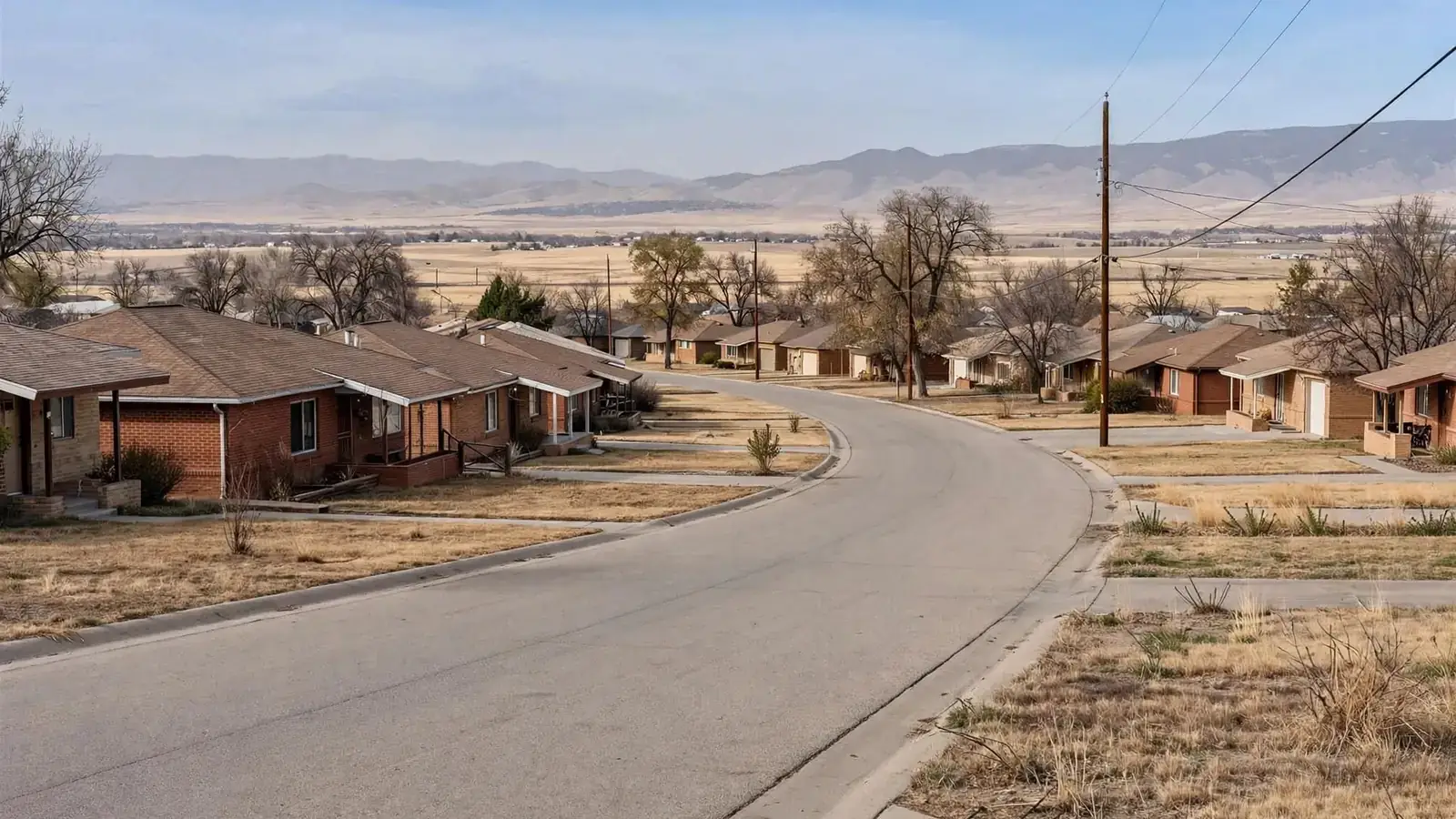
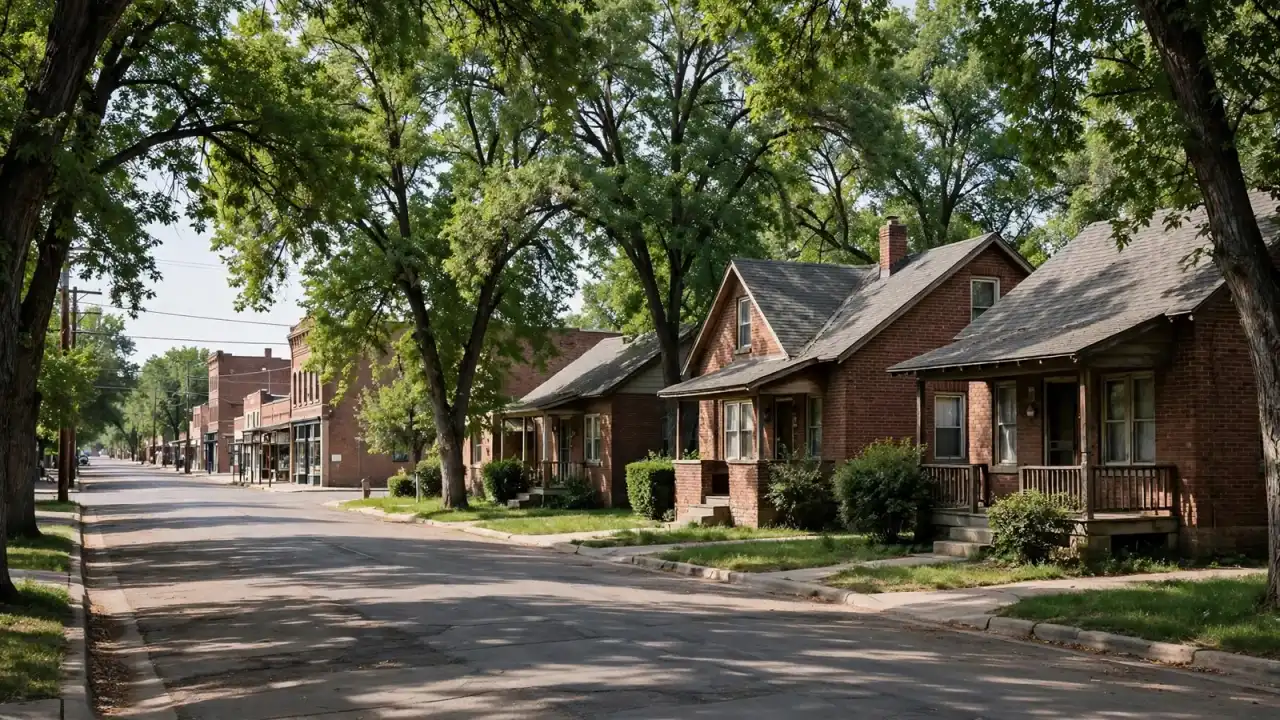
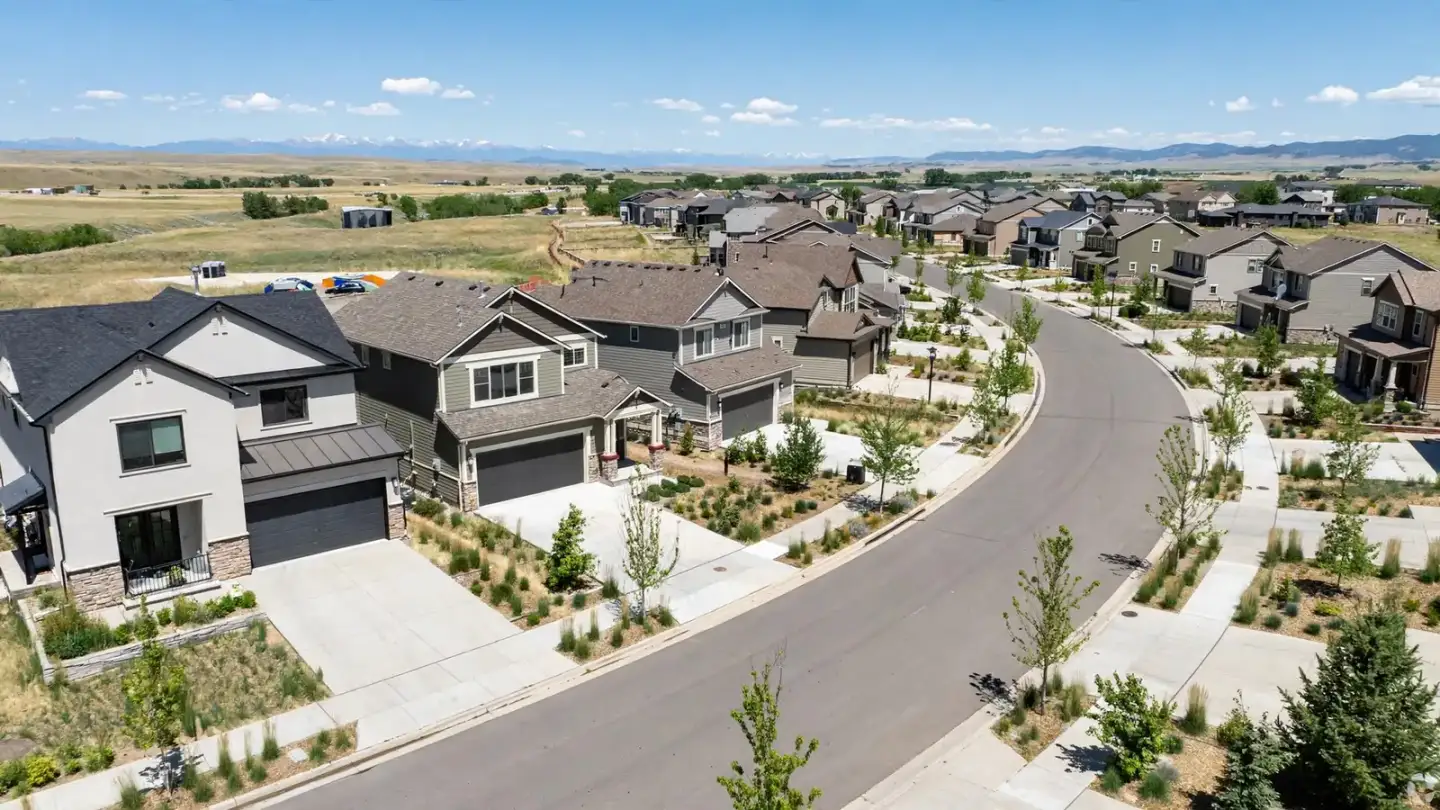
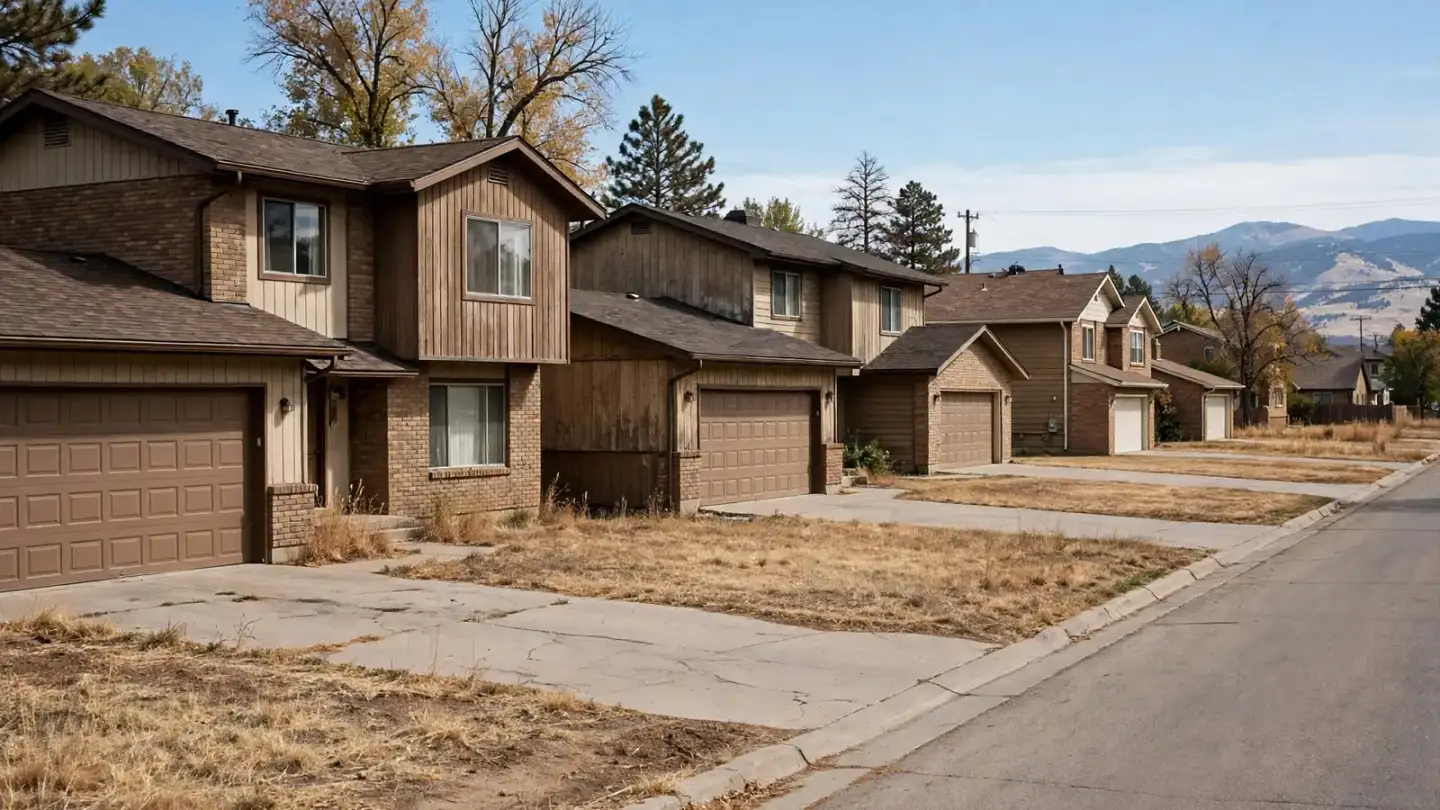
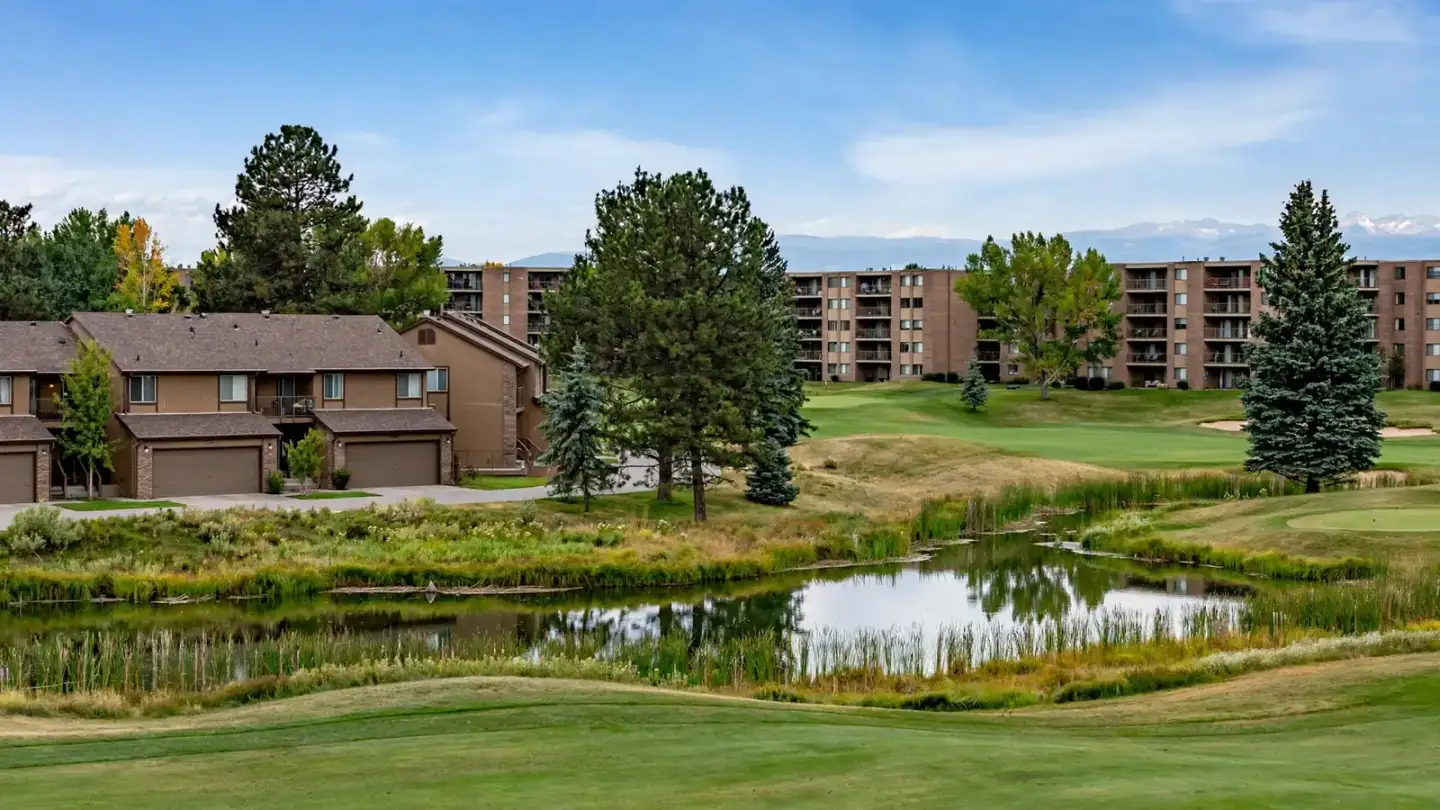
Heather Ridge grew in the 1970s and 1980s as a planned community of townhomes and condominiums around a golf course. Buildings range from two-story townhome rows to low-rise condo buildings, many with garden-level units. Landscaping is mature, with trees planted decades ago along fairways and walkways.
Sewer layouts differ from single-family streets. Several units often share a line before it reaches the main, and lines may run under common lawns, parking areas and walkways. Associations typically maintain shared sections, while owners may be responsible for drains within their units.
Heather Ridge sewer problems
What plumbers see in Heather Ridge
Common issues in Heather Ridge include these.
Backups in multiple units
A shared line blocks and affects neighbors.
Read moreRoots from landscaped areas
Mature trees near shared lines.
Read moreGarden-level unit backups
Lowest units see water first.
Read moreAging lines under common areas
Original lines approaching the end of life.
Read more
Heather Ridge figure

Associations and responsibility
Who is responsible in Heather Ridge
Responsibility depends on each community's governing documents. Typically the association manages shared lines and common areas, and owners handle drains inside their units. Before arranging work on a shared line, contact your association or property manager. For drains inside your unit, you can call directly.
Garden-level units
Garden-level and lower units
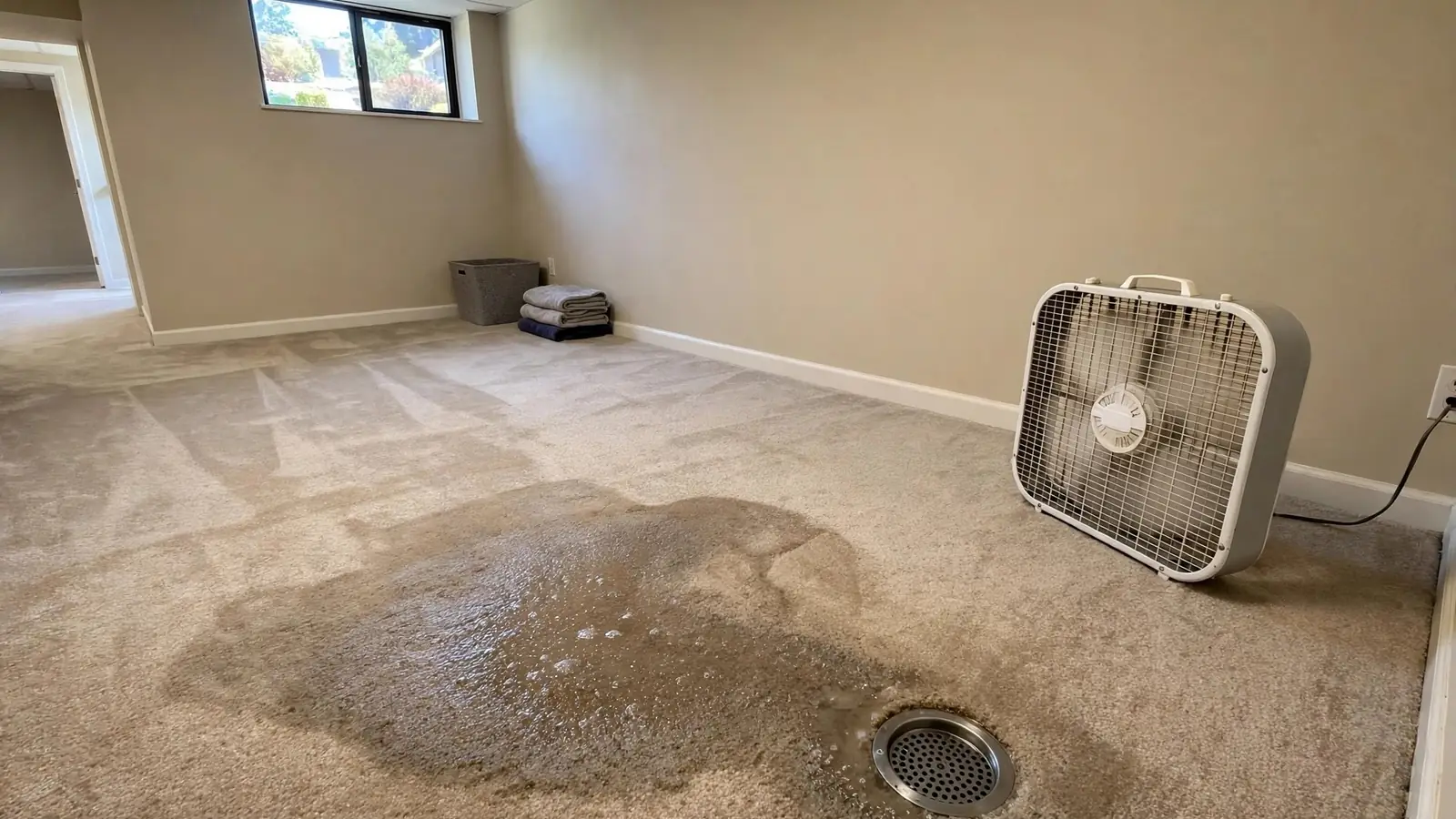
Garden-level condos and lower townhome levels sit closest to the main, so their floor drains, tubs and toilets are the first to overflow when a shared line restricts. Owners of these units should know where cleanouts are and who to call, and associations often prioritize protection such as backwater valves for lower units.
Trees and fairways
Golf-course trees and roots
Mature trees along fairways and walkways have extensive roots. Where shared lines run nearby, roots enter older joints. Associations often schedule cleaning and camera inspections and choose lining to avoid digging up landscaped areas.
Planning a Heather Ridge visit
Planning a sewer visit in Heather Ridge
- 1
Contact the association
For shared lines, start with the HOA or manager.
- 2
Unit access
Note cleanout locations inside the unit.
- 3
Neighbors
Ask whether neighbors have similar problems.
- 4
Parking
Plan parking for the plumber's vehicle.
- 5
Timing
Coordinate downtime with other units.
Heather Ridge situations
Who to call in Heather Ridge
| Situation | Usually handled by |
|---|---|
| Clog in one unit's sink or toilet | Unit owner |
| Several units backing up | Association |
| Roots in shared line | Association |
| Garden unit floor drain overflow | Owner and association together |
| Main line in the street | City |
Planned community history
How Heather Ridge was planned
Heather Ridge was built as a planned community in central Aurora, with townhome and condominium clusters arranged around a golf course and connected by walkways. Developers grouped buildings to share green space, parking and utilities, which is efficient but means sewer lines are shared more often than on single-family streets. Several associations may operate within the broader area, each with its own buildings and rules.
Inside a townhome
How drains run in a Heather Ridge townhome
In a two-story townhome, kitchen and bath drains collect into stacks that drop to the lowest level, where they join a building drain. That drain may connect to a line shared by the whole row before reaching the main. In condo buildings, stacks from upper units drop through lower units, so a blockage low in the system can push wastewater out of the lowest unit's fixtures even when that owner used no water at all.
Heather Ridge inspection figure
Association process
Working with the association during a backup
During an active backup, call the association's emergency contact or property manager right away, and stop using water. If a plumber is already on site for your unit and finds the shared line is blocked, they can tell the association what they saw. After the line is cleared, the association typically arranges a camera inspection to see whether roots, grease or damage caused it, and decides on any repair.
Grease in shared lines
Grease and wipes in multi-unit lines
Shared lines carry the habits of every unit. Grease poured down one kitchen sink can coat the shared pipe, and wipes from another unit can catch on it. Associations often send reminders about what not to flush or pour, because a single unit's habits can affect everyone downstream.
Lining shared lines
Lining under Heather Ridge common areas
Lining is often the preferred repair for shared lines under lawns, walkways and parking lots, because it avoids tearing up common areas. Crews work from cleanouts and small access pits, and units may need to limit water use for part of a day while the liner cures. Associations notify residents in advance.
Garden units and backwater valves
Protecting garden-level units
Some garden-level units are good candidates for backwater valves, which close when flow reverses. Because valves must be installed where they protect only the right fixtures without blocking others, a plumber reviews the layout before recommending one. The association may need to approve work on shared plumbing.
Talking with the plumber
Questions to ask on a Heather Ridge call
Ask whether the plumber has worked in multi-unit buildings, how they decide whether the problem is in your unit or the shared line, and how they will report findings to the association. Ask for the license number and a written scope for any work in your unit.
During a backup
What to do during a Heather Ridge backup
If wastewater appears in your unit, stop using water, and ask neighbors in your building to stop too, because their water may be draining toward your fixtures. Call the association's emergency number or property manager right away. Keep people away from the water and avoid chemical drain cleaners. If your unit is the lowest in the building, protect belongings by moving them up and away from drains when it is safe to do so.
Document what happened with photos and notes about time and affected fixtures. That record helps the association, any plumber and insurance carriers work out the cause and responsibility.
Older shared lines
Lines from the seventies and eighties
Lines installed when Heather Ridge was built are now forty to fifty years old. Depending on the builder, they may be clay, cast iron or early plastic. Each ages differently, and shared lines under parking lots also carry the weight of vehicles. A camera inspection every few years helps associations plan repairs before backups force the issue.
Preventive maintenance
Preventive maintenance plans for associations
Many associations schedule regular cleaning of shared lines, especially those near trees, and camera inspections every few years. Planning for them in reserve schedules avoids surprises. Reminding residents about grease and wipes is the simplest prevention of all.
Odors in townhomes
Sewer odors in Heather Ridge units
A sewer smell in a unit may come from a dry trap in a rarely used shower or floor drain, which a bucket of water usually fixes. If the smell persists, a failed toilet seal, a cracked vent or a leaking joint in the shared system may be the cause. Report persistent odors to the association, especially if neighbors notice them too.
Selling a Heather Ridge unit
Buying or selling in Heather Ridge
Buyers of townhomes and condos often ask the association about the age and condition of shared sewer lines and any recent backups. Associations with inspection records and maintenance plans can answer those questions clearly. Owners can also have their own unit's drains inspected.
Rental units
Rental units in Heather Ridge
Many Heather Ridge units are rented. Tenants may not know where cleanouts are, who to call or what not to flush. Landlords can help by leaving clear instructions about the association's emergency contact, the location of shutoffs and cleanouts, and a reminder about grease and wipes. When a backup affects a rental, the landlord, tenant and association all need to communicate quickly.
Vacant units
Units that sit empty
When a unit sits empty for weeks, its traps can dry out and let sewer gas into the unit and sometimes neighboring units through shared walls. Owners of seasonal or vacant units can ask a neighbor or manager to run water periodically. A vacant lower unit is also where a shared-line backup can go unnoticed for a long time, so associations often check vacant units after any reported backup.
Units over garages
Units above garages and tuck-under parking
Some Heather Ridge buildings have units over garages or tuck-under parking. Drain lines from those units run through garage ceilings and walls before joining the shared system. Leaks there may first show as stains on garage ceilings. Report any stain or drip quickly, since it may be wastewater.
Communication during repairs
Keeping residents informed
Clear communication makes shared-line work go smoothly. Associations that post notices, send emails and tell residents which hours to avoid water use reduce accidental backups during the repair. Residents who work from home or have medical needs can tell the manager ahead of time so arrangements can be made.
Lower units and plugs
Why lower units sometimes get test plugs
During cleaning or lining, crews may temporarily plug a shared line. If upper units use water during that time, it can back up into the lowest unit. That is why notices about water use matter, and why lower-unit owners sometimes ask to be home during the work.
Choosing who to call
Choosing a plumber for multi-unit work
For problems inside your unit, look for a plumber who explains clearly whether the issue is in your branch or the shared line and puts findings in writing. For shared lines, associations often get more than one opinion, compare camera footage and written scopes, and check state licenses. A plumber experienced with multi-unit buildings will understand cleanout access, notices and the need to coordinate with management.
Upper-floor units
What upper-floor owners should know
Owners on upper floors rarely see backups in their own units, but their water use contributes to backups below. During a reported backup or a scheduled repair, stopping water use quickly protects neighbors. Upper units can still have their own clogs in sinks, tubs and toilets, which are usually handled by the unit owner.
Disposals in condos
Garbage disposals in Heather Ridge kitchens
Disposals in each unit send ground food into the shared line. Grease, rice, pasta and peels build up faster when many kitchens feed one pipe. Scraping plates into the trash and running cold water with the disposal helps the whole building.
Clearing small clogs
When a unit owner can clear a clog
A single slow sink or toilet in your unit can usually be cleared with a plunger or a hand auger. If plunging does not work, or more than one fixture is slow, call rather than forcing tools or chemicals into the system.
Moving into Heather Ridge
Questions to ask when moving in
New owners should ask the manager where their unit's cleanout is, which shared line serves the building, when it was last cleaned or inspected, and the emergency number for after-hours backups. Write those down somewhere easy to find before you ever need them.
More Heather Ridge questions
More questions from Heather Ridge owners
Can the association require access to my unit for sewer work?
Governing documents often allow access for shared plumbing. Check your documents.
Should I tell my neighbors about a slow drain?
Yes. If they notice the same thing, the shared line is likely involved.
How often should shared lines be inspected?
Many associations inspect every few years, more often near trees.
Does lining a shared line mean we cannot use water?
Usually for part of a day while the liner cures, with advance notice.
Heather Ridge sewer questions
Questions about sewer lines in Heather Ridge
Who fixes a shared sewer line?
Usually the association, according to the community's governing documents.
Why did my unit back up when I didn't use water?
A shared line may be blocked, and neighbors' water reaches your drains first if you are lower.
Can I call a plumber directly?
For drains inside your unit, yes. For shared lines, start with the association.
Do garden-level units need backwater valves?
They can help against main-line surges. Discuss with the association.
Will repairs tear up the lawns?
Trenchless methods often avoid that.
What should I tell the plumber?
Unit type and level, whether neighbors are affected and association contact details.